The Power of Connection Over Rewards and Punishments
Transform Your Parenting Approach: The Power of Connection Over Rewards and Punishments
Do punishments and rewards seem to create more disconnection than growth for your child, but you don't know what else to do? You’re not alone. Many parents and caregivers grapple with how to foster a healthy, trusting relationship while guiding children’s behavior. Most of us grew up steeped in the use of rewards and punishments, so they are what is in our parenting toolbox when things go sideways. This post shares essential insights from a recent Consciously Parenting Masterclass, highlighting why the relationship is the cornerstone of conscious, effective parenting—and how to shift from control-based tactics to connection-driven strategies.
In this article, you’ll discover the flaws in traditional punishment and reward systems, understand the science behind attention and brain function, and learn practical, relationship-focused alternatives. Whether you’re parenting a young child, a teen, or a young adult, these principles can help you create a thriving family dynamic grounded in mutual respect and understanding.
Why Traditional Rewards and Punishments Fall Short
Many of us grew up in a culture that prioritized obedience through external control—think timeouts, bribes, removal of privileges or beloved objects, or yelling. The common belief: if children do what we tell them to do, they will be safe, happy, and well-adjusted. But research and real-life experience tell a different story.
The Hidden Messages Behind Behavioral Control
When parents focus on consequences, they communicate that actions and behaviors are more important than the child’s feelings or the connection in the relationship. This sends an unspoken message: You are loved when you do as I say, not for who you are. Over time, this can lead to disconnection, distrust, and even rebellion.
For example, in the masterclass, I shared some of my own experiences with traditional tools like timeouts and threats. I discovered the hard way that rather than teaching new skills, punishments often activate the child’s survival brain—the fight, flight, or freeze response—making long-term change unlikely. And making parenting harder rather than easier.
What Punishments Teach Instead
Shame and Fear: These emotions may stop misbehavior short-term but do little to promote understanding or inner motivation. Instead, punishment often teaches children to fear getting caught rather than understanding the reasons behind their actions.
Power Over Control: When parents use punishment or threats, they teach the child that whoever is bigger, stronger, or louder has the power. This creates bullies, and children who try to find power in other ways (and these ways aren't always good for them or others, like when it comes out sideways with a younger sibling.) Children learn that love is conditional depending on behavior, which can damage their developing sense of worth and their attachment to you.
Lack of Transferable Skills: Focusing on external consequences (i.e. punishments) doesn’t equip children with the internal regulation skills needed for life. (What are they going to do when you're not looking?) Instead of learning problem-solving or empathy, they may lie, hide mistakes, or become aggressive. They do what we teach them to do.
The Science of Attention: Seeing the Whole Child
Understanding how the brain processes information sheds light on effective parenting. The masterclass explored two critical concepts: the right and left hemispheres of the brain and their role in attention, connection, and perception.
Right Hemisphere: Handles holistic thinking, connection, emotions, and appreciation of context. It sees the whole child and their environment, fostering curiosity and empathy. Left Hemisphere: Focuses on parts, categories, inanimate objects, and abstract thinking. It tends to fragment experiences into bits, which can make us see behaviors as isolated problems rather than signals of emotional needs or an underlying story.
Implication for Parents: Focusing on the whole child and the connection rather than isolated behaviors activates the right brain. This creates space for curiosity, understanding, and empathy—key ingredients for effective, relationship-centered parenting.
Attention Determines What We See and How We Respond
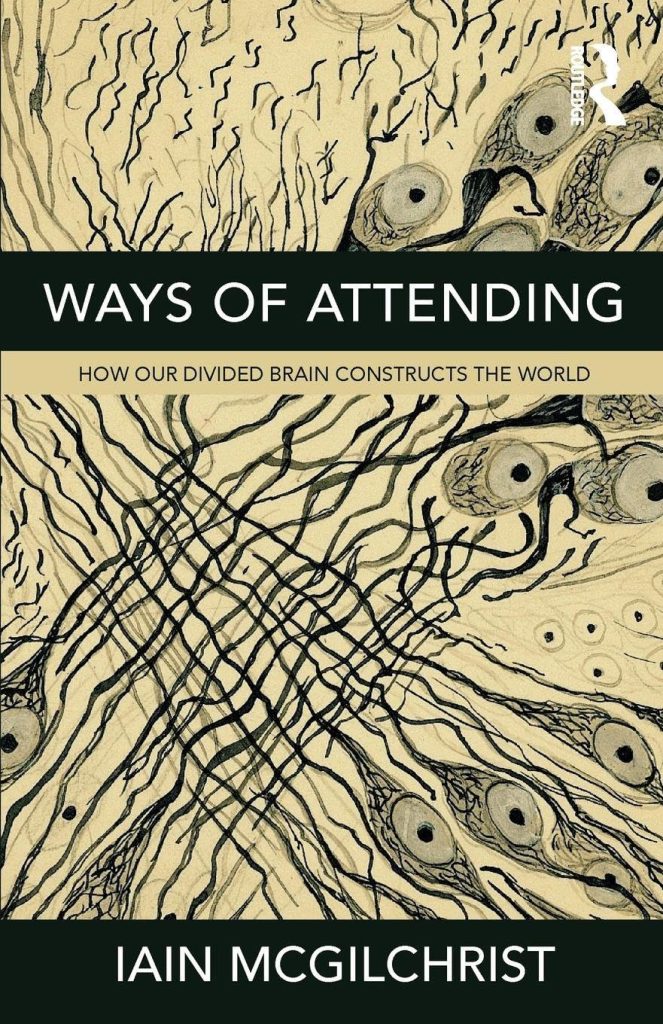
As Iain McGilchrist’s research indicates, where our attention goes influences what we see and how we respond. When parents shift attention from controlling behaviors to attending to feelings, needs, and connection, they access the whole child—fostering growth rather than fear.
Version 1.0.0
Practical Strategies: Building Connection Without Punishments
Switching from reward/punishment systems to connection-based methods requires intention and practice. Here are some actionable ideas based on the masterclass content:
Focus on the Parent-Child Relationship as the Foundation
Put the relationship first: Remember, connected children are more likely to cooperate and learn new skills. Prioritize connection over correction: Connect Before You Correct! When children are dysregulated or acting out, support their needs and feelings rather than punishing their behavior.
Use Regulation and Co-Regulation
Model self-regulation: When you’re upset, support yourself first. Try belly breathing, a pause, or some movement like a short walk to come back calmer.
Support your child’s regulation: Physical contact, eye contact, or even a shared activity can help their nervous system settle. I used to let my boys run at the couch cushions I was holding or sitting behind on the floor to move through those feelings. But some children like to have some gentle squeezes or a back rub to help them to settle.
Shift Attention from Behavior to Needs and Feelings
Instead of asking, “Why did you do that?” consider, “Wow, I see you’re really upset right now. Want to tell me what’s going on?" Or "Show me with your hands how you're feeling?” Use language that validates feelings, such as, “Seems like you're having a hard time right now,” rather than “Don’t yell.”
Offer Relationship-Based Alternatives to Punishments
Boundaries can be safe, protective limits, not punishments. Example: “I see you’re upset, and I can't let you hit me. Let's find a way to express that anger in a way that doesn’t hurt you or anyone else.”
Natural consequences over imposed punishments. Example: “If you leave your bike outside in the rain, it might get rusty and hard to ride." That’s a natural consequence. "I'm taking your bike and locking it up until you can learn how to take care of it!" screamed in anger is an imposed punishment. A teaching moment might be learning how to repair the rusty gears together when the bike became too hard to ride.
Reinforce Intrinsic Motivation Through Connection
Recognize and acknowledge effort and kindness. Example: “I noticed you shared your toy. How did that feel to see your cousin's face when you shared?” Celebrate progress without external rewards. Focus on who your child is becoming rather than what they do for a sticker or a treat.
Create Opportunities for Connection
Engage in unstructured play where your child chooses activities. Spend quality time focused on just being together with no agendas or expectations. Make sure that you offer boundaries regarding what would feel good for you. If you're not willing to spend money on the activity, or if you don't want to play a video game, say that up front. Clear expectations are kind.
The Power of Attention and Reflection
A recurring theme from the masterclass: where your attention goes shifts how your children learn and feel about themselves and their relationships. The science shows that focusing on connection, feelings, and whole-child well-being fosters lifelong skills and resilience.
Home Play Idea: Set aside dedicated one-on-one time each week with your child, even if it is only 15-minutes. Whether it’s playing their game of choice or sharing a calm, focused conversation, this is the practice of being with your child, putting the relationship- and your child- first.
Final Thoughts: From Control to Connection
Replacing punishments and rewards with relationship-centered strategies isn’t just about avoiding behavior problems, it’s about nurturing a trusting, resilient, and emotionally intelligent family. And it's easier said than done, especially if, like most of us, you grew up with rewards and punishments and you're trying to do something different. When you prioritize connection, your child learns that love and safety are unconditional, even amidst boundaries and expectations. And luckily you don't have to do it all perfectly.
Remember: attention and relationship are the foundation of lifelong learning and emotional health. Small shifts like listening more, validating feelings, supporting regulation can lead to big changes in both behavior and family harmony.
FAQ: Building a Connection-Based Parenting Approach
Why do rewards and punishments often backfire?
They activate the survival brain’s fear circuitry, leading to temporary compliance at the expense of trust and long-term emotional health. Children may learn to hide mistakes, lie, or become defiant.
How can I set boundaries without it feeling punitive?
Frame boundaries as safety and care measures, not punishments. Use respectful language and focus on making relationships safe and predictable rather than imposing control through threats.
How do I handle my own dysregulation when my child or young adult pushes my buttons?
Support yourself first—pause, breathe, or step away if needed—and then reconnect with empathy. Modeling self-regulation teaches your child how to handle feelings and emotional upsets.
What is the role of attention in parenting?
Attention shapes perception. Focusing on feelings, needs, and connection fosters trust and cooperation, promoting whole-brain learning and emotional growth for you and for your child.
How can I practice connection in everyday moments?
Spend uninterrupted, non-structured quality time with your child—play, talk, or simply be present. Ask open-ended questions and validate their feelings, especially during challenging moments. Be curious!
Key Takeaway
Prioritizing the parent-child relationship over behavioral control isn’t just more compassionate, it’s scientifically proven to foster healthier, more connected, and emotionally resilient children. Shift your attention from fixing behaviors to understanding feelings and needs and your whole family will thrive.
Ready to transform your family dynamics? Start by noticing where you can connect more today. Small changes lead to lasting change!
* “We are a participant in the Amazon Services LLC Associates Program, an affiliate advertising program designed to provide a means for us to earn fees by linking to Amazon.com and affiliated sites.”
Rebecca Thompson Hitt, MS, MFT is the founder and executive director of The Consciously Parenting Project (2007). Rebecca loves supporting individuals and parents to grow themselves up in their current relationship challenges. She delights in empowering people to find peace and connection with their loved ones, supporting the transformation of the way we understand our connections. Her holistic approach, which includes our earliest experiences and nervous system patterns, her gentleness and compassion, and her deep listening without pathologizing, helps us to see ourselves and those we care about with new eyes, supporting the transformation needed in the world starting with our closest relationships. With over 30 years of professional experience working with individuals, couples, and families, in addition to her own personal healing work raising her now young adult sons, Rebecca is dedicated to transforming our relationships stories, one relationship and one family at a time.
Rebecca Thompson Hitt, MS, MFT is the founder and executive director of The Consciously Parenting Project (2007). Rebecca loves supporting individuals and parents to grow themselves up in their current relationship challenges. She delights in empowering people to find peace and connection with their loved ones, supporting the transformation of the way we understand our connections. Her holistic approach, which includes our earliest experiences and nervous system patterns, her gentleness and compassion, and her deep listening without pathologizing, helps us to see ourselves and those we care about with new eyes, supporting the transformation needed in the world starting with our closest relationships. With over 30 years of professional experience working with individuals, couples, and families, in addition to her own personal healing work raising her now young adult sons, Rebecca is dedicated to transforming our relationships stories, one relationship and one family at a time.